Why Older Bayonne Homes Lose Heat: How to Balance Low-Pressure Steam Boilers | Bayonne Boiler Repair
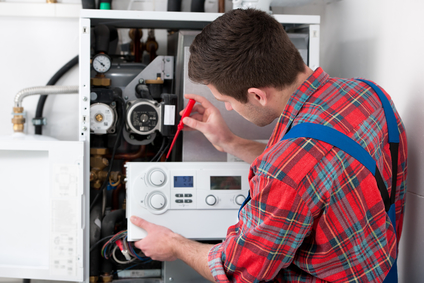
Many Bayonne homes in Bergen Point and midtown still rely on low-pressure steam heat. When rooms go cold or radiators heat unevenly, the cause is usually air and water moving the wrong way inside the system. If you are noticing these symptoms, it is time to have a licensed plumber inspect your system and, when needed, perform steam boiler repair in Bayonne, NJ that brings balance back without stressing older pipes.
How Low-Pressure Steam Heat Works In Bayonne Homes
In a healthy system, the boiler turns water into steam at very low pressure. Steam moves up the mains, pushes air out through vents, and fills each radiator. As it gives off heat, the steam turns back into water and returns by gravity to the boiler to be reheated.
This process only works if air can leave fast and water can return smoothly. Main vents at the ends of basement mains clear big pockets of air. Small radiator vents finish the job room by room. When vents clog or valves stick, rooms heat unevenly and the boiler runs longer than it should.
Bayonne’s older rowhouses often have long, looping basement mains and mixed radiator sizes. That layout makes good main venting and clean returns even more important to keep pressure low and heat even.
Why Older Bayonne Buildings Lose Heat Room To Room
Two local factors often play a part. First, minerals and rust from neighborhood water lines can settle in the boiler’s sight glass and internal passages. That sludge slows water return and can confuse the water-level controls. Second, decades-old air vents clog with scale. When air cannot escape, steam stalls before it reaches the far radiators.
Common causes of uneven heat in Bayonne homes include:
- Sediment collecting in the sight glass and low-water areas of the boiler
- Main vents at the basement ends stuck closed from scale
- Old radiator vents that no longer release air at the right rate
- Radiator supply valves that are partially closed or worn
- Pitch changes in old piping that trap water and cause banging
These problems make the boiler cycle more, pressure creep up, and fuel use rise. The fix starts with correct diagnosis, not turning up the thermostat.
Diagnostic Framework: Main Vents Versus Radiator Valves
What You Can Observe Without Tools
- Do several radiators on the top floor stay cool while near-boiler radiators get hot quickly?
- Do many radiators hiss for a long time, then go quiet with little heat?
- Is the boiler short cycling, clicking on and off before the house is warm?
- Do you hear sharp knocks when the boiler first fires or right before it shuts off?
These patterns help a pro decide whether the bottleneck is in the basement mains or at individual radiators. Do not tamper with boiler controls or gas valves. Observation is helpful, but adjustment and cleaning belong to a trained technician for safety.
Patterns That Point To Failing Main Vents
If most of the house heats slowly, especially distant rooms and upper floors, main vents may be the issue. Long hissing at many radiators means air is trying to escape through small radiator vents because the big basement vents are not doing their job. The boiler may also build pressure early in the cycle because air has nowhere to go.
In Bayonne’s longer basement mains, one stuck main vent can starve half the home. A licensed plumber will size and place new vents so big volumes of air leave quickly, letting steam arrive without raising pressure.
Patterns That Point To Problem Radiator Valves
If only one or two rooms stay cool while others feel fine, the radiator vents or valves at those locations may be sticking. A vent that never releases air keeps the radiator cold. A worn valve that is not fully open can also stall steam flow.
Here the solution is targeted service at the affected radiators. The rest of the system can be balanced once those local restrictions are cleared.
Local Factors In Bergen Point And Midtown
Homes near Bergen Point often have a mix of original cast iron radiators and later additions. That blend can pull steam unevenly if main vents are undersized. Midtown Bayonne buildings with longer top-floor runs also need generous venting so air leaves fast before pressure rises.
Salt-laden air and seasonal road work can introduce fine grit into local water supplies. Over time, that grit settles in the sight glass and low points of the boiler. Clear water level readings and clean returns are essential to protect the boiler and keep the system stable.
If your steam issues began after other indoor plumbing work or pipe replacement, it may help to have a pro review the piping layout along with your steam balance. You can start by browsing our plumbing services to see how whole-home water movement affects steam comfort.
Sediment, Sight Glass Clarity, And Safe Operation
A cloudy or fast-dropping sight glass is a warning sign. Sediment can cause the water level to bounce, which confuses controls and leads to short cycling. In severe cases, it can interfere with the low-water safety device. That is why regular professional maintenance focuses on sight glass clarity, clean returns, and correct operation of safeties.
A pro should test the low-water cutoff on a set schedule during the heating season. The exact interval depends on the equipment and usage, but frequent checks by a licensed technician keep safeties ready and reduce the chance of nuisance shutdowns during cold snaps. Your technician will also confirm that the pressure control is set for low-pressure operation so steam moves gently and evenly.
When sediment is present, the right approach protects the boiler and the old pipes. Your technician will work methodically to restore clean water pathways and accurate water-level readings without shocking the system.
Preventing Water Hammer And Preserving Old Piping
Water hammer happens when fast-moving steam slams into pooled condensate. It is loud and it is hard on pipes and radiators. In older Bayonne homes with settled floors and legacy piping, small pitch changes can trap water. Venting that is too small or pressure that climbs too high makes the problem worse.
Never raise steam pressure to mask uneven heat. Higher pressure forces steam to rush, which invites hammer, erodes vents, and stresses joints. The lasting fix is proper main venting, correct radiator vent selection, and verified pipe pitch so water can return by gravity.
Loud banging is a safety red flag. Turn the heat down and have a licensed plumber investigate promptly to protect your boiler and piping.
What Service Looks Like With DMC Plumbing and Heating
When you call DMC Plumbing and Heating, we start with a focused assessment: observe the heating pattern, check main and radiator vent performance, verify pressure settings, and make sure safeties read true water levels. We then balance venting so air escapes quickly at the mains and each radiator gets the right fill rate for steady, even heat.
Our team respects Bayonne’s older pipe networks. We aim for gentle operation that prevents hammer, preserves threads and unions, and keeps pressure as low as the building will allow. If we find related water-return or plumbing concerns, we will explain options clearly before any work begins.
When To Call A Pro And What To Expect In Bayonne, NJ
Call a licensed plumber if multiple rooms stay cool, if radiators hiss but never get warm, if the sight glass looks dirty, or if the boiler short cycles on cold days. We will confirm whether main vents, radiator vents, or valves are holding you back and restore proper steam flow at low pressure.
For fast help, start with Bayonne boiler repair and schedule a visit. You will get clear findings, a safety check of controls, and a plan to bring even heat back to every room.
Ready For Even Heat All Winter?
It is the perfect time to get ahead of cold snaps and fix uneven rooms before the peak of heating season. Book expert service with DMC Plumbing and Heating today and enjoy steady, quiet radiators across your Bayonne home.
To get started, schedule professional service through our steam boiler specialists page or call 201-437-5751. We will balance your system the right way, protect older piping, and keep pressure low for lasting comfort.