Bayonne Tankless Water Heater Installation: Is It Worth It for Tight Closets and Older Basements?
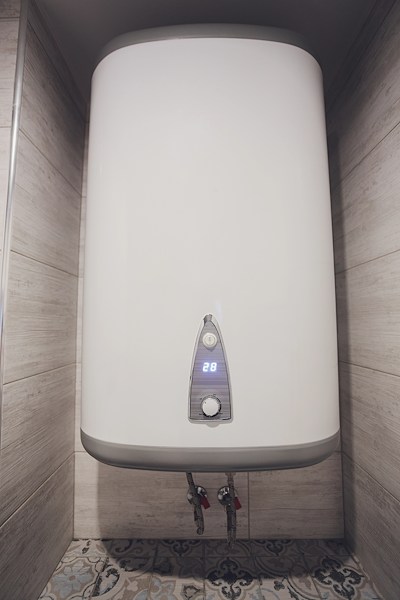
If your 50-gallon tank eats an entire closet or blocks the laundry, a wall-mounted unit can feel like finding new square footage. This guide breaks down when a water heater installation with a tankless system makes sense for Bayonne homes, especially compact multi-family buildings and rowhouses near Bergen Point.
We will look at space, venting, gas line sizing, Hudson County water hardness, and real-world summer energy bills. You will get a clear, local take so you can decide with confidence and avoid surprises.
Why Bayonne Homes Consider Tankless
Many Bayonne basements are tight and the stairs are tighter. Getting an old tank out can mean wrestling around low beams and narrow turns. A tankless unit hangs on the wall, opens floor space for storage, and removes the risk of a full-tank leak. In older two- and three-family homes off Broadway and down by Constable Hook, reclaiming a few square feet matters.
- Space-saving wall mount that frees up floor area
- Endless hot water for back-to-back showers and laundry days
- Lower standby losses compared to storing 50 gallons of hot water
- Flexible venting options to fit quirky basements and utility closets
What Changes Behind the Walls With Tankless
Tankless is not a swap of box-for-box. It is a system upgrade. Most high-output models draw more gas during operation than a typical tank. That is why many Bayonne installs include a gas line check and, in older homes, an upsizing plan.
Always size the gas line before you buy the unit. Many installs move from a smaller line to a 3/4-inch run so the heater can breathe under peak demand. Undersized lines cause nuisance shutdowns, error codes, and poor performance. A licensed pro from DMC Plumbing and Heating verifies supply and meter capacity so the upgrade feeds both the heater and other gas appliances safely.
Venting, Condensate, and Clearances in Older Basements
Modern tankless units use sealed combustion and sidewall venting. That is helpful in rowhouses with long chimney runs. Your installer will map a short, code-compliant route that avoids windows and tight corners. Older Bayonne basements often share walls with storage and laundry, so keeping safe separation from combustibles and providing working clearances is key. We plan the mounting height so filters, service valves, and the heat exchanger are easy to reach for maintenance.
Most high-efficiency models produce condensate that must drain to a proper point. In basements without a nearby drain, we plan a pumped or gravity path that won’t trip anyone walking through a narrow utility aisle. Do not block service access or vent terminations with storage after the install. You want a clean, safe area for annual service and quick troubleshooting.
Hudson County Water Hardness and Scale Control
Local water contains minerals that form scale on hot surfaces. Scale is the enemy of efficiency inside a tankless heat exchanger. In Bayonne and across Hudson County, we see faster buildup in homes with long summer shower routines and frequent laundry cycles. Left alone, scale raises outlet temperatures unevenly, triggers error codes, and cuts flow.
Hard water scale is the enemy of tankless heat exchangers. Our standard practice includes isolation valves for quick descaling and, when needed, a cartridge or media filter on the cold side. Many homes benefit from a yearly service flush. The payoff is steady temperature, quieter operation, and a longer-lasting unit.
Local Tip: If your faucets sputter or you notice low water pressure in Hudson County during peak evening use, tell your installer up front. Tankless units have a minimum flow to activate. Planning for a recirculation loop or minor pressure improvements helps prevent those “cold starts” in distant bathrooms.
Real-World Summer Energy Savings in Bayonne
Summer is hot-water season in our area. Showers, beach towels, guests, and sports all push demand. A tankless system avoids reheating water while you sleep or work. That is where savings show up.
Here is a simple way to think about it. Look at a typical July gas bill and estimate the hot water share if your heat is off. If that portion runs, say, $50 to $80 in a heavy-use month, trimming standby losses and improving efficiency can shave a noticeable amount. Even a modest 10 to 20 percent improvement can cut a few to several dollars each month in summer. Over many months, that helps offset installation work like venting or a gas-line upgrade. Results vary by home size, usage, and the model you choose.
Tank vs. Tankless: What Actually Matters for Bayonne Families
There is no one-size answer. Think about how you use hot water on a busy Saturday and how tight your space is the other six days of the week.
- Household rhythm: frequent showers, laundry, and dish loads favor continuous hot water
- Space pressure: closets and narrow basements point to wall mounting
- Utility layout: older gas lines, vent paths, and drains drive install scope
- Maintenance mindset: annual descaling keeps performance strong
Many Bayonne owners ask about “tank vs tankless cost.” While we do not quote pricing here, the total project varies with home age, venting route, gas line sizing, and water treatment needs. A thorough site visit prevents change orders and sets clear expectations.
Flow, Fixtures, and “Low Water Pressure Hudson County” Concerns
Some homes report lower evening pressure, especially in taller rowhouses or apartments sharing lines. Tankless units need a small but steady flow to fire. If your morning shower starts cold, we check aerators and showerheads, inspect pressure at the heater, and measure runs to the top-floor bath.
Fixes range from fixture updates to adding a smart recirculation strategy so taps get hot water faster. For long pipe runs to a third-floor bath, recirculation can cut wait times and reduce water waste. That way you are not standing by the tub for a full minute while the line warms.
Installation Fit: Stairs, Clearances, and Older Framing
Our crews work in Bayonne basements every week. Tight stairs, low headers, and stacked storage are normal. We stage gear so nothing blocks exits, pad corners to protect trim, and pre-plan where the unit hangs before the old tank moves. This limits trips up and down the stairs with heavy parts and shortens downtime. We also review clearance notes so filters and valves are reachable without moving laundry machines or shelving.
A Quick Pre-Install Walkthrough You Can Expect
Every home is different, but the checklist stays simple and focused:
- Confirm gas supply, meter capacity, and likely line sizing to the heater
- Plan a short, safe vent route and termination away from windows or walkways
- Identify a proper condensate drain point or pump location
- Test incoming water pressure and note any low-pressure patterns by time of day
- Check for mineral scale potential and pick the right filter or flush plan
- Measure wall space and clearances for service access and code compliance
We document each step so you know what will change and why. That keeps the job smooth and avoids surprises when parts arrive.
When Staying With a Tank Is the Smarter Call
Tankless is not always the winner. If your household uses hot water in short, spread-out bursts, or if your gas supply is hard to upsize, a high-efficiency tank can be the better move. A well-placed tank with a pan and drain can also be simpler if venting is impossible through a sidewall. In these cases, we focus on good placement, insulation on hot lines, and a maintenance rhythm that delays sediment buildup.
Service, Maintenance, and What Ownership Looks Like
Tankless units are reliable, but they like attention. Annual service protects the heat exchanger from scale, keeps sensors clean, and verifies combustion settings. We include isolation valves so flushing is quick and tidy in tight Bayonne basements. You get steady temperature, fewer surprises, and a system that lasts.
For homeowners who want a deeper dive, our licensed plumbers can review fixtures, flow rates, and small layout tweaks that improve comfort without tearing open walls. Small changes go a long way in narrow rowhouses.
So, Is Tankless Worth It in Bayonne, NJ?
If your water heater hogs space, your family stacks showers, and you can support proper gas and venting, tankless is a strong yes. If upsizing a gas line is not practical, or venting is blocked, a modern tank may be the practical pick for now. Either way, you deserve a clear plan that respects older framing, narrow stairs, and shared walls common around Bergen Point.
When you are ready to talk through options, start with our water heater installation page. You will see how DMC Plumbing and Heating sizes systems for your real usage and sets up service access that works in small rooms.
Talk With a Local Pro Who Knows Bayonne Homes
Get a right-sized plan, not a one-size pitch. For fast help, call 201-437-5751. You can also learn more about bayonne tankless water heater installation and other options on our home base, then schedule a visit that fits your week.
Bottom line: Space is precious in Bayonne. With the right gas line, smart venting, and a scale plan that fits Hudson County water, tankless delivers comfort without stealing square footage. DMC Plumbing and Heating is here to help you weigh the tradeoffs and get it done the right way the first time.
Ready to reclaim the closet and lose the leaky tank? Let our team design a safe, code-conscious setup that fits your home and your routines. Start the conversation on our water heater installation page or call 201-437-5751 today.