7 Signs Your Bayonne Water Heater Is About to Fail (water heater repair Bayonne)
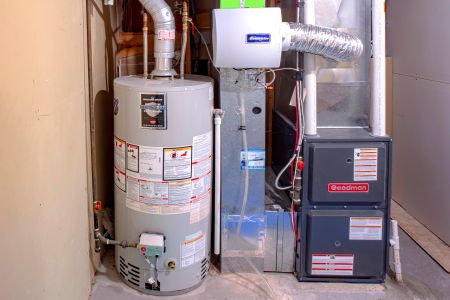
When your hot water starts acting up, it rarely fixes itself. Small clues build for weeks or months before a water heater finally gives out. If you live in Bayonne, those hints can show up faster thanks to older basements, tight utility closets, and big season-to-season temperature swings. Here are the signals to watch for, plus how DMC Plumbing and Heating can help with service for water heaters before an unexpected cold shower ruins your day.
Why Water Heaters Fail in Bayonne Homes
Most Bayonne houses and multifamily buildings rely on tank-style heaters tucked into basements or small closets. Sediment settles at the bottom of the tank. Heating elements or burners have to work harder. Metal expands and contracts through winter cold snaps and humid summers. Over time, that stress wears out the tank, valves, and sensors.
Water quality plays a role too. Minerals in North Jersey can speed up scale buildup inside the tank. When scale piles up, you get louder operation, longer heat times, and more strain on the parts that keep water hot and safe.
The 7 Warning Signs You Shouldn’t Ignore
1) Not Enough Hot Water
Showers turn lukewarm halfway through, or you run out after one load of laundry. This often points to sediment covering the bottom of the tank or a failing heating element. It can also mean the thermostat is inaccurate and letting the tank cool too much between uses.
2) Water Takes Too Long to Heat
If you wait far longer than normal for hot water, your burner, element, or gas control may be struggling. Scale buildup makes it worse by acting like an insulating blanket that traps heat away from the water. Long heat-up times are one of the clearest early warnings that a breakdown is coming.
3) Rumbling, Popping, or Hissing
Those sounds come from trapped water bubbling through layers of sediment at the bottom of the tank. The rumble you hear is wasted energy. The more noise, the more strain. Left alone, the tank works harder, energy bills climb, and parts wear out sooner.
4) Rusty or Discolored Hot Water
Brown or orange hot water from the tap means rust is moving through the system. It might be from aging pipes, but when it appears only on the hot side, the tank or its anode rod is likely corroding. Rust-colored hot water means corrosion is active. That is a short road to leaks.
5) Leaks Around the Tank or T&P Valve
Small puddles, damp insulation, or water trails down the side of the tank are serious. The temperature and pressure (T&P) relief valve is a safety device. If it weeps or sputters, pressure or temperature may be too high, or the valve has failed. Do not ignore a leaking temperature and pressure valve.
6) Pilot or Burner Problems, Soot, or Error Codes
Gas units with a pilot that keeps going out, a burner that looks yellow and lazy, or soot marks on the housing need immediate attention. Electric units may show error codes or trip breakers. Never relight a gas burner if you smell gas. Call a licensed plumber right away.
Most tank-style heaters last about 8–12 years with normal use. If yours is over a decade old and your utility bills are creeping up, the efficiency drop and wear are telling you the end is near. A tank over 10 years old is at the end of its expected life.
- Immediate red flags: leaks, rusty hot water, gas smells, tripped breakers
- Early warnings: longer heat times, rumbling sounds, inconsistent hot water
Repair or Replace: How to Decide
Choosing between a repair and a full replacement comes down to age, condition, and risk. A newer tank with a single bad part can often be fixed. An older tank with multiple symptoms is likely near the end. Consider how often you run out of hot water, whether you’ve had repeat issues, and if the tank’s location could cause damage to finished floors or storage if it leaks.
Fuel type matters too. Gas heaters show wear through burner problems and soot. Electric heaters show it through element failure and constant breaker trips. Units that struggle after every winter tend to have heavy sediment that will keep coming back. That is common in older Bayonne buildings where tanks sit low and collect scale more quickly.
Local Factors in Bayonne, NJ That Speed Up Wear
Bayonne’s housing mix includes older two- and three-family homes, row houses off Broadway, and tight basements around Bergen Point and Constable Hook. Tanks in these spaces often sit near floor drains and laundry areas where lint, dust, and moisture collect. That environment encourages corrosion. Cold snaps off the bay push heaters to run longer. Summer humidity can affect electronics and fittings. If you live close to the water, salt-laden air may also play a minor role in surface corrosion on exposed metal parts.
Neighbors across the city line face similar issues, which is why you’ll often hear about water heater replacement Jersey City during peak winter calls. The signs are the same, and the fix is faster when you act early instead of waiting for a total failure.
What It Means When There’s “No Hot Water”
When the shower goes cold, the cause could be a failed heating element, a burned-out igniter, a tripped safety, or a thermostat fault. If it only happens in the morning or evening, your tank may be undersized for the household. If it happens all day, something critical has failed and the tank may be unsafe to operate. Many homeowners search for a no hot water plumber Bayonne when this happens. Getting a quick diagnosis protects your home and restores normal routines.
Energy and Utility Clues You Can Track
Rising gas or electric bills often show up a month or two before a water heater fails. The tank needs more energy to push heat through mineral scale. If you also notice rumbling or longer heat times, the combination points to internal buildup and wear. Watching these patterns helps you plan the next step, rather than waiting for a cold shower on a weekday morning.
How DMC Plumbing and Heating Helps Bayonne Homeowners
Our licensed plumbers focus on safe, code-compliant solutions that fit Bayonne homes and schedules. We check venting, gas supply or electrical connections, thermostat function, and the condition of the anode rod and T&P valve. When replacement is the smart move, we size the new unit for your real usage so you stop running out of hot water.
If you’re already seeing warning signs, scheduling an inspection through our water heater repair page gets you on the calendar fast. We’ll review the age and condition of your tank, discuss options, and outline next steps so you can decide with confidence.
Simple Signals That Point to the Next Step
- If the tank is under 8 years old and has one issue, repair often makes sense.
- If it’s over 10 years with multiple symptoms, plan for replacement soon.
- If leaks or rust appear, prioritize safety and get a pro on site.
These guidelines keep you ahead of emergencies. They also help you avoid damage to finished basements and storage, which are common in Bayonne’s older homes.
Your Next Move to Avoid a Cold Shower
If you’re noticing any of the seven signs, take a minute today to line up help. A quick visit now can prevent a messy leak later. For more background and to schedule, you can start at water heater repair Bayonne on our home page and choose what fits your situation.
Ready to Protect Your Hot Water?
Don’t wait for the tank to fail on a Monday morning. Call DMC Plumbing and Heating at 201-437-5751 to get fast, professional help in Bayonne. If you prefer to click first, learn how we repair and replace systems safely and quickly by visiting our water heater services page.